Littlelands Early Activities Tier List
Rank first-week time sinks so cozy progress stays efficient.
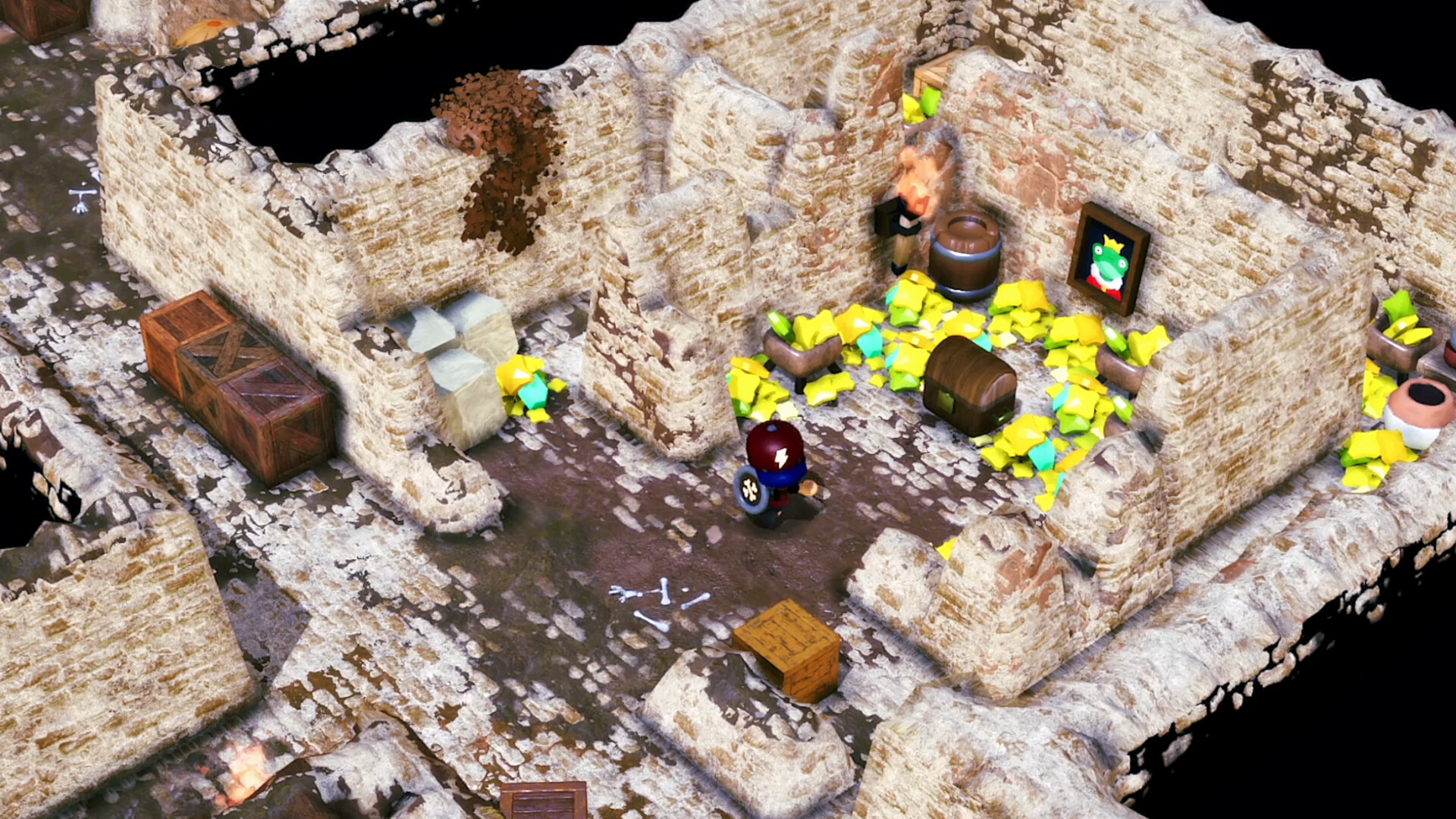
This tier list ranks first-week activities in Littlelands — where your hours go, not only which tool sits in the hotbar. It complements the gear-focused Early Tools page and the overview on the Tier List Hub. Use it when you open Steam after the November 16, 2026 Early Access launch and wonder whether to plant, talk, dig, fish, swing, or decorate next.
Littlelands is a single-player cozy adventure: restore a farm, grow berries, cook, fish, catch insects, dig treasure, help quirky NPCs, and optionally lock onto enemies across six areas. There is no wrong way to play, but week-one time still has opportunity cost. Ranking activities keeps the claymation-like fantasy from turning into aimless wandering or underfed dungeon wipes.
How to read this list
- S tier — Schedule these almost every session; they unlock or fund everything else.
- A tier — High-value loops most days once S habits are online.
- B tier — Important practice, but after the cozy engine runs.
- C tier — Fun reward sinks; great later, costly too early.
Assumes a balanced player who wants farm comfort plus the option to enter caves. Pure pacifists can demote lock-on practice; explorers should not demote planting.
S tier — plant, talk, dig
Berry planting and farm restore
Why S: Crops grow while you explore. Empty plots during a two-hour hike are wasted free progress. Berries are the early crop priority called out across beginner advice, and they feed cooking for harder routes. Restoring usable soil early anchors the whole dual fantasy of home and adventure.
How to spend the hour: Clear clutter, plant berries before you leave town, expand other crops only after the backbone is online. Never treat the farm as a side quest you will “get to later.” Full how-to: Farming. First-day framing: Getting Started.
Talking to NPCs and small jobs
Why S: Roughly twenty inhabitants hand out errands, shop context, tool hints, and clues that open new adventures. Skipping dialogue is the fastest way to feel lost across hills, caves, jungles, and deserts. Jobs also break long exploration into friendly beats.
How to spend the hour: Tour town before long hikes. Accept short jobs between fishing stops. Revisit neighbors after new areas unlock. Deep dive: NPCs and Quests.
Shovel digging / treasure hunting
Why S: Suspicious ground converts attention into funds for seeds, tools, and later décor. Digging is low-risk compared with multi-enemy fights and pairs with every exploration route. Carry the shovel everywhere; bank loot in town; pause if an enemy winds up.
How to spend the hour: Route digs into walks you already planned. Stop mid-dig to dodge. Treat treasure as the quiet economy under the cozy art. Guide: Treasure Hunting.
Why plant + talk + dig rank highest together: Planting prints future food while you are away. Talking prints map knowledge and unlocks. Digging prints currency safely. Together they answer the three early questions — Will I eat? Do I know where to go? Can I afford the next tool? — without requiring combat skill. That is why they sit above fishing, bugs, sword drills, and decoration for pure week-one time value.
A tier — soft gather loops
Fishing
Why A: Steady food and materials with a calm skill loop. Perfect cooldown after a failed fight and perfect prep before a boss try. Schedule fishing after plots are planted so the session is pure pantry work.
Bug catching
Why A: Opportunistic materials while you walk trails. Synergizes with Focus Glow so busy scenes still show gatherables. Do not force a pure grind hour — catch while traveling, then bank before dungeons.
Both loops are detailed in Fishing and Bugs. They score just under S because they shine most when farm and shovel habits already exist; alone they cannot replace planting or NPC unlocks.
B tier — combat readiness and light pushes
Lock-on practice
Why B: Combat is optional yet required for some caves, dens, and the Goblin Boss. Fundamentals beat gear panic. Spend short blocks locking onto one foe, circling, and dodging a single tell. Do not burn your first evenings on multi-pull chaos.
How to spend the hour: One training fight, then walk away if it goes poorly. Cook and plant afterward. Full habits: Combat.
Light dungeon or cave pushes
Why B (timed): Sampling danger teaches enemy types — Goblinettes, bats, skeletons, looting goblins — and shows where food matters. Fully clearing every dungeon on day one burns focus and currency. Push only with dishes packed and an escape plan.
How to spend the hour: One short cave after a pantry session. Retreat proudly. Save the Goblin Boss until practice feels automatic.
C tier — decoration and vanity time
Homestead decorating
Why C early / A later: Decorating makes the farm magical and matches the cozy trailer fantasy, but early hours spent shopping décor instead of planting or digging slow every other loop. Place one piece when flush; skip when broke. Follow the tools-before-cosmetics rule from Farming whenever the homestead catalog tempts you early.
Long décor sessions and novelty cosmetics
Why C: Fish hats and perfect yards rule for screenshots. They do not unlock caves. Buy them with treasure surplus after S and A loops hum.
Example first-week time budget
Day 1: Character create → NPC tour → restore and plant → enable minimap/Focus Glow → short dig and fish → one lock-on drill.
Days 2–3: Plant → talk or turn in a job → gather route (bugs, fish, dig) → cook → light new-area scout → one decoration if flush.
Days 4–5: Repeat S/A loops → deliberate sword practice → optional short cave with food.
Days 6–7: Tougher route or careful boss attempt → celebrate with décor or a hat → plant again before you quit.
Adjust freely. Pacifists extend fishing days. Explorers keep shovel time sacred. Check Launch Day notes if you are sorting what shipped at Early Access open versus later patches.
Common mis-ranks
- Decorating before planting: pretty yard, empty pantry.
- Dungeon evenings before NPC tours: cool caves, missing shop and quest context.
- Sword drills before shovel routes: combat without funds or food feels harsh.
- Ignoring bugs and fish entirely: S-tier farm still wants A-tier variety for cooking.
Will this list change?
Yes. Early Access continues toward a planned late 2027 full release. New activities, recipes, or regions can reshuffle hour value. Revisit this page and the Tier List Hub after major Steam updates. Official links and community destinations sit on the Links Hub when you need patch notes sources.
Pairing activities with pages
| Activity | Open next |
|---|---|
| Berry planting | Farming |
| NPC jobs | NPCs and Quests |
| Dig routes | Treasure Hunting |
| Rod and net | Fishing and Bugs |
| Lock-on drills | Combat |
| Tool shopping order | Early Tools |
| First hours checklist | Getting Started |
Use S tier to build the engine, A tier to keep it fed, B tier to expand danger on your terms, and C tier to make the homestead feel like yours. That sequencing is the only “meta” a cozy Early Access farm adventure needs.
Frequently Asked Questions
Quick answers about farming, combat, exploration, and Early Access.
Why are planting, talking, and digging S tier?
Together they answer food, map knowledge, and safe currency — the three questions that unlock every other week-one loop — without requiring combat skill.
How is this different from the Early Tools tier list?
Early Tools emphasizes what to unlock and buy. Early Activities ranks where your session time should go first. Use both together.
Where do fishing and bugs land?
A tier. They are excellent daily pantry loops once farm and shovel habits are online, and they feed cooking for tougher routes.
Is lock-on practice really only B tier?
For general week-one hour value, yes — combat is optional. It becomes mandatory prep before dense caves or the Goblin Boss, so schedule short drills after S and A loops.
When should I spend a long session decorating?
After seeds, shovel income, and gather tools are covered. Treat décor as a celebration purchase, not the first evening’s main quest.