Littlelands Cooking and Decorating Guide
Turn gathers into dishes, style the homestead, and spend early currency wisely.
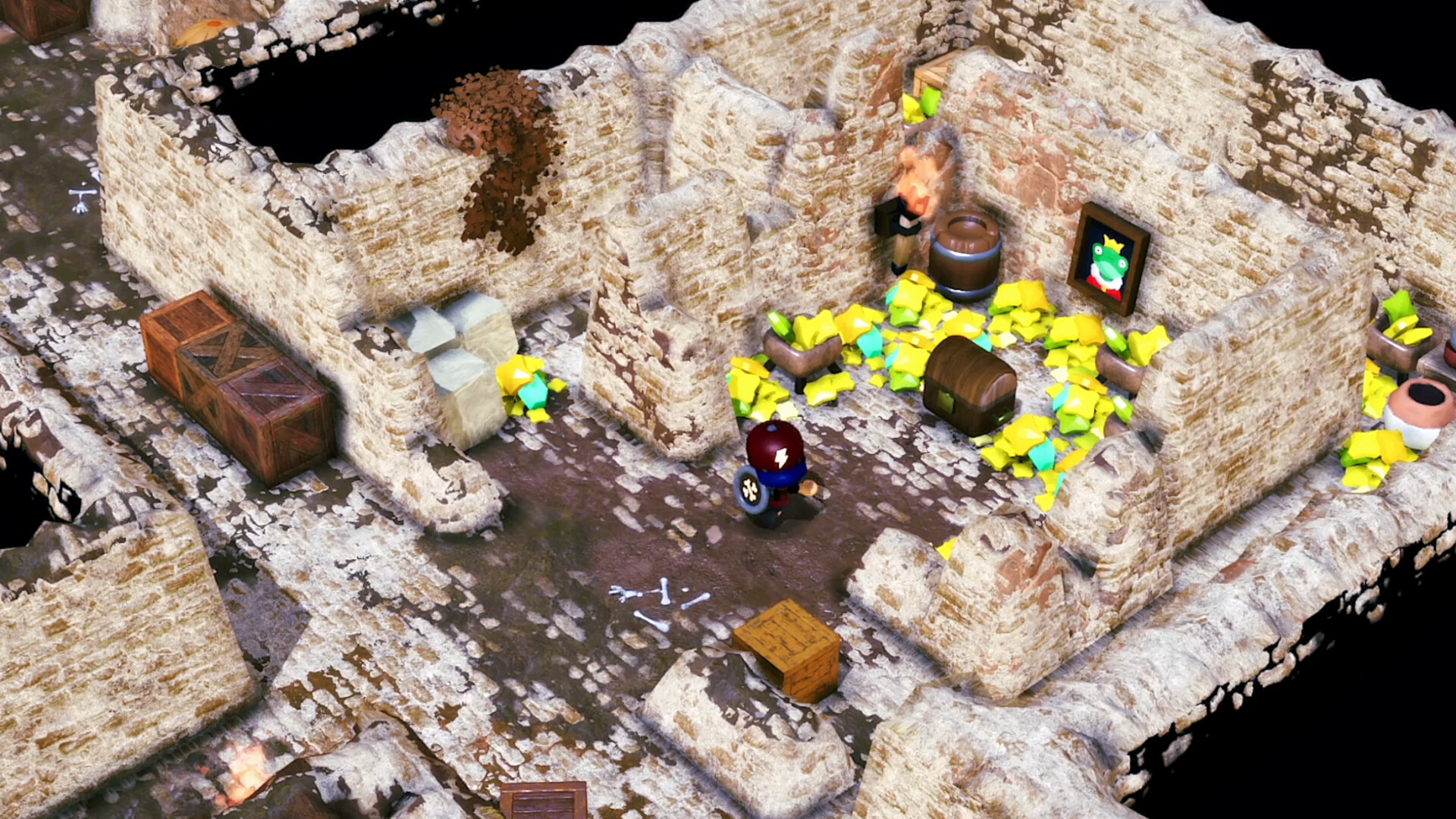
Cooking and decorating are the cozy reward loops of Littlelands. After you plant berries, fish a pond, net insects, or dig a suspicious patch, the homestead is where those gathers become dishes and those coins become a place that feels like yours. This guide focuses on the kitchen and the decoration layer — how to cook from farm, fish, and bug ingredients, how to style the farm without draining week-one funds, and how to keep the game’s no-timer, no-score pace intact. If you still need the planting backbone, read Farming first. Brand-new players should skim Getting Started before optimizing the kitchen.
Littlelands entered Steam Early Access on November 16, 2026 as a single-player claymation-like adventure from HyperMegaPixel (Rafael Martín and Kyle Creamer), published by Apogee Entertainment. Official feature lists call out growing berries, cooking dishes, fishing, catching insects, digging for treasure, and decorating while you explore at your own pace. There are no forced daily timers or competitive scores pushing you to max every system. Treat cooking as trip fuel and decorating as celebration — not as a checklist race.
What cooking is for
Cooking converts raw harvests and gathers into dishes that support longer outings. Berries from the farm, fish from the rod, and insects from the net all feed the same kitchen idea: production outside, conversion at home, safer caves afterward. You do not need a gourmet menu on day one. Cook what you have, pack food before tougher routes, and restock when you return. A short cook session after a mixed gather route often does more for your next dungeon than another poorly fed attempt.
Think of the kitchen as the bridge between cozy systems and adventure systems. Farming prints ingredients while you are away. Fishing and bugs fill gaps when plots are already planted. Treasure digging funds tools that make gathering faster. Cooking is where those loops become readiness. Pair this page with Fishing and Bugs so your pantry stays varied instead of berry-only.
Building a simple cook rhythm
Use a homecoming ritual so cooking never feels like a forgotten chore:
- Bank shovel loot and sell what you do not need.
- Store or cook fish, bugs, and berries before inventory clogs.
- Pack a few dishes for the next trip.
- Plant empty soil before you leave again.
That order keeps the farm honest and the kitchen useful. If a fight went poorly, cook and decorate lightly instead of forcing another boss try. Littlelands is designed so cozy systems catch you when combat is optional. When you are ready to engage on purpose, open Combat — then come home and cook again.
Ingredient sources that matter early
- Farm berries and crops — reliable backbone; plant before every explore session.
- Fish — calm food engine at ponds between harder routes.
- Bugs — opportunistic materials while you walk trails with Focus Glow on.
- Treasure finds — not always edible, but they fund tools, seeds, and later décor.
Treasure routes and dig habits are covered in Treasure Hunting. NPC jobs often point you toward shops, recipes, or materials that unlock better kitchen options — talk through town using the habits in NPCs and Quests before you assume you are stuck with a bare pantry.
Decorating the farm homestead
Decorating lets you restore and personalize the farm and home between adventures. It is part of the fantasy: big-headed charm, colorful landscapes, a bench for watching the sunset. Place pieces that make returning feel good. Still, decoration is a reward layer, not the early economy. Empty soil that should hold berries is a bigger problem than a blank corner that could hold a prop.
A healthy decoration pulse looks like this: outing → harvest → cook → one new placement if you are flush → sleep or next plan. That rhythm keeps the homestead evolving without turning Early Access into a shopping sim. When currency is tight, walk away from the décor catalog and buy seeds or tool progress instead.
Spend currency wisely: tools before cosmetics
Early coins should prefer unlocks that open loops: farming tools and seeds, shovel readiness for digs, fishing and net access, and anything that shortens travel or gathering. Cosmetics, novelty hats, and pure homestead flair come after those engines print surplus. Our Early Tools ranking puts decoration and vanity lower for week-one value for exactly this reason — they are wonderful once the shovel and farm are working, and wasteful before.
Practical spend order for most players:
- Seeds and farm readiness.
- Shovel and gather tools that print food or funds.
- Light combat readiness if you plan caves soon.
- One decoration or cosmetic as a celebration purchase.
Break the order on purpose once you are comfortable. Littlelands markets play-your-way freedom. The rule exists to prevent early starvation of options, not to police joy.
Cozy pace: no timers, no scores
There is no leaderboard for how many dishes you cook or how densely you decorate. Official messaging emphasizes experiencing daily life at your own pace — grow, fish, dig, chat, or sit on a bench. Use that permission. Cook when you need food. Decorate when a trip ends well. Skip both when you only want to walk a new trail with the minimap on.
If you feel pressure to “finish” the homestead, step outside. Plant, dig, talk, then return. The claymation-like art reads best when you are not rushing past it. Early Access will keep adding content toward a planned late 2027 full release; a calm kitchen habit survives those updates better than a completionist panic. Roadmap context lives on Early Access.
How cooking and decorating support the rest of the wiki
- Planting discipline: Farming
- Rod and net gathers: Fishing and Bugs
- Dig funds for décor: Treasure Hunting
- Jobs and shop clues: NPCs and Quests
- First-day checklist: Getting Started
- Spend priority ranks: Early Tools
Cross-link those pages instead of treating the kitchen as an island. The best cooks in Littlelands are usually the players who already planted, gathered, and talked before they opened the recipe list.
Practical checklist
- Cook after mixed gather routes, not only after perfect farm days.
- Pack dishes before caves, dens, or boss attempts.
- Keep berry plots busy so the kitchen never starves.
- Buy tools and seeds before heavy decoration spends.
- Place one decoration when flush; skip when broke.
- Use cooking as a soft reset after failed combat.
- Revisit NPC shops when new areas unlock — kitchens grow with the map.
Early Access expectations
Recipes, décor catalogs, and quality-of-life around storage may expand during Early Access. Core advice should hold: cook from what you gather, decorate as a reward, and fund tools before cosmetics. When patches change economies, re-check this guide and the updates hub. Until then, keep the homestead warm, the pantry stocked, and the pace gentle.
Cooking and decorating are how Littlelands turns adventure into homecoming. Feed the trips that matter, style the farm when surplus allows, and let the absence of timers be the point — not a problem to solve.
Frequently Asked Questions
Quick answers about farming, combat, exploration, and Early Access.
What should I cook with first in Littlelands?
Start with berries from your farm, then add fish and bugs as you gather them. Early cooking is about steady trip food, not collecting every recipe.
Should I decorate the farm right away?
Decorate lightly as a reward after seeds and tools are covered. Early currency is better spent on unlocks that keep farming, digging, and gathering productive.
Do cooking or decorating have timers or scores?
No. Littlelands encourages your own pace with no competitive scores for kitchen or homestead completion. Cook and decorate when it feels good.
How do fishing and bugs help cooking?
Both feed the same kitchen as farm harvests. A short rod or net session between trips keeps dishes varied when berry plots are already planted.
When should I buy cosmetics instead of tools?
After shovel, farm, and gather loops print surplus. Use the Early Tools tier list if you need a week-one spend order.