NPCs and Quests in Littlelands
Talk to everyone, take small jobs, and let neighbors unlock the next trail.
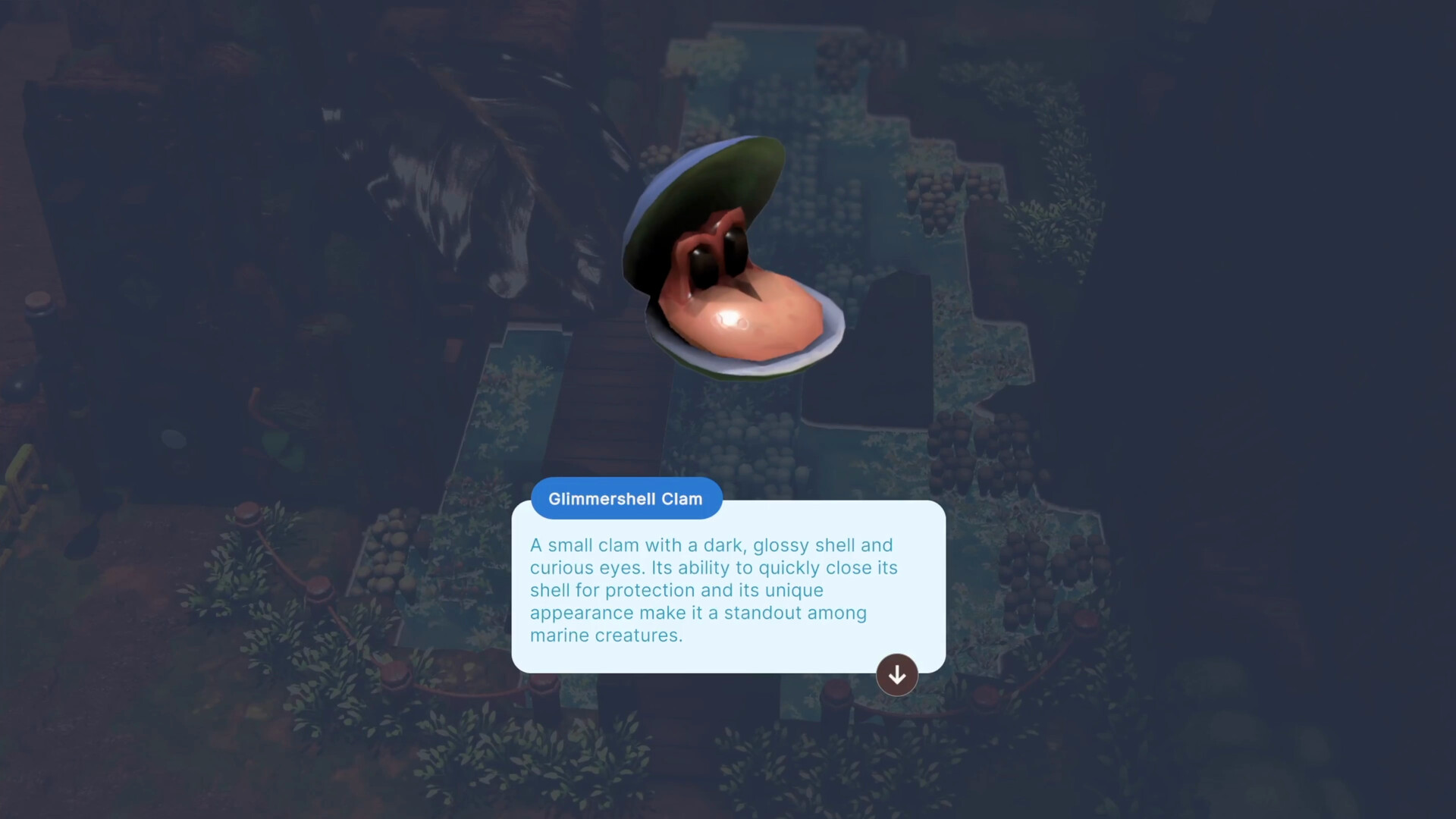
Littlelands is as much about people as it is about berries and caves. Roughly twenty quirky NPCs fill the demo and Early Access window, and their small favors are how a simple errand snowballs into new tools, shops, clues, and routes across six unique areas. This guide teaches the social half of the loop: talk to everyone first, treat short jobs as map keys, use shops without draining your farm fund, and follow quests into fresh ground without spoiling specific chains.
Pair this page with Getting Started for day-one habits. When neighbors send you outdoors, lean on Farming, Exploration, Treasure Hunting, and Combat so you arrive prepared instead of overwhelmed.
Talk to everyone first
Before you sprint into goblin country, walk the town and greet every local you can reach. Littlelands — the cozy Steam Early Access adventure from Rafael Martín and Kyle Creamer (HyperMegaPixel), published by Apogee Entertainment — sells itself on eccentric inhabitants whose stories and tasks unlock adventure. Skipping dialogue means missing who sells what, which path opened last, and which neighbor is quietly holding a tool or clue you need.
First-session social goals:
- Meet as many townsfolk as your stamina and curiosity allow.
- Accept one or two short jobs that feel clear and nearby.
- Note shopkeepers and what they stock for later.
- Return to the farm to plant before a longer trip.
That rhythm teaches the region as a neighborhood, not a checklist. The free ~two-hour demo still on Steam is an excellent place to practice this habit if you have not bought Early Access yet.
About twenty NPCs, many moods
Marketing and demo notes highlight roughly twenty NPCs to interact with across six areas with multiple shops. Expect farmers, shopkeepers, oddballs, and neighbors whose problems range from tiny errands to longer mystery threads. You do not need to befriend everyone on day one. You do need to keep talking as new areas open — a face you ignored in hour one may matter after you unlock a tool or trail.
Treat NPCs as living signposts:
- Some teach skills or point toward systems you have not tried.
- Some gate soft progress behind a delivery, a fetch, or a visit.
- Some simply add flavor that makes the claymation countryside feel lived-in.
- Some quietly prepare you for riskier ground where Goblinettes and caves wait.
If a conversation offers a job, take it when the ask is clear. If the ask points far away and you are underfed or broke, plant first, dig a little treasure, then return with supplies.
Small jobs unlock tools, routes, and clues
Quests in Littlelands are designed to pull you outward. A broken computer at Grandma’s house may be the narrative spark, but the everyday texture is smaller: help a neighbor, learn a story, earn a clue that leads to a new adventure. We stay light on spoilers here on purpose. Specific chain steps change as Early Access grows toward a late 2027 1.0, and half the joy is discovering who needs what without a wiki spoiling the punchline.
What we can say safely:
- Short jobs often unlock or highlight tools you will use for hours.
- Completing favors can open routes between areas or make a shop more useful.
- Clues from dialogue pair with Focus Glow and the minimap so you can find the next interactable without guessing wildly.
- Social progress and Treasure Hunting fund each other — dig pays for shop visits that jobs recommend.
When a quest sends you into caves or tougher countryside, skim Combat and fight one foe at a time. When it sends you to water or meadows, use Fishing and Bugs as soft resets between errands.
Shops without emptying the farm
Multiple shops appear across the six areas. Buy what advances the job or unlocks comfort — tools, seeds, key supplies — and delay cosmetic splurges until dig loops and harvests refill your wallet. Decoration is part of the fantasy, but early currency is better spent on capability. Plant berries before big purchases so the farm keeps earning while you shop and chat.
A healthy shop cycle:
- Finish a short NPC job that points to a store or tool.
- Dig or harvest enough to afford the practical buy.
- Purchase, then immediately test the tool or route outdoors.
- Return home to store, cook, and replant.
That keeps shops feeling like adventure fuel instead of money sinks.
How quests lead to new areas
Exploration without dialogue is just walking. Exploration after jobs is navigation with purpose. Neighbors are how Littlelands teaches the six-area mindset: open a new biome when you have food, inventory space, and a reason — a quest clue, a tool unlock, or a shop you finally need. Hills, jungles, deserts, forests, towns, and mysterious caves each change the mood; quests tell you which mood to sample next.
Practical area-opening habits:
- Enable the minimap and Focus Glow before following a far clue.
- Carry shovel and sword: discovery and optional danger share trails.
- Bank valuables in town between multi-stop job days.
- Leave if a combat pull goes sideways — the farm still grows, and the NPC will still be there.
For broader trail craft, see Exploration. For dig-focused funding of those trips, see Treasure Hunting.
Spoiler-light play during Early Access
Littlelands entered Early Access on November 16, 2026 for Windows on Steam (app 2083660) at $19.99 with a brief 10% introductory discount into late November 2026. Systems will deepen before the planned late 2027 full release. Quest text, job order, and unlock timing may shift. That is why this page avoids step-by-step spoilers of specific chains and instead teaches durable habits: talk first, take clear jobs, fund tools, follow clues into new areas, and never let a single errand overwrite farm maintenance.
Stay current via the Updates Hub and Early Access notes, and keep official Steam and social destinations bookmarked on the Links Hub.
A social-first weekly rhythm
- Greet new or unfinished NPCs whenever you enter town.
- Accept two or three short jobs with clear asks.
- Plant the farm before leaving on job routes.
- Dig, fish, or catch bugs along the way for funds and food.
- Shop only for what the jobs or tools demand.
- Practice optional combat when a quest enters risky ground.
- Return, bank, cook, decorate lightly, and note who still needs a visit.
That loop is the heart of Littlelands’ people systems. Neighbors make the countryside feel alive; small jobs make the map feel intentional; shops and clues turn courtesy into progress. Talk to everyone, dig when the ground looks wrong, plant before you wander, and let quests open doors you would have walked past — without needing a spoiler sheet to enjoy the ride.
Frequently Asked Questions
Quick answers about farming, combat, exploration, and Early Access.
How many NPCs are in Littlelands?
Demo and Early Access materials highlight about twenty NPCs across six areas with multiple shops. More characters and stories may arrive before the late 2027 1.0 target.
Should I talk to everyone before exploring?
Yes. Small jobs unlock tools, routes, and clues. Exploration after dialogue has purpose; skipping townsfolk means missing shops and soft unlocks.
Will this guide spoil specific quest chains?
No. We keep spoilers light on purpose. Early Access quest order can change — durable habits like talk first, fund tools, and follow clear jobs matter more than step lists.
How do quests connect to farming and combat?
Plant before long job routes so crops grow while you help neighbors. When a quest enters dangerous ground, use lock-on combat one foe at a time — or leave and return prepared.
Where do I find official Littlelands links and update notes?
Use the Links Hub for Steam and social destinations, and the Updates Hub plus Early Access page for roadmap context while systems grow through Early Access.